How to Optimize for AI Search Results in 2026
Prepare your website for the future of search. Learn the specific tactics needed to get cited by ChatGPT, Perplexity, and Google AI Overviews in 2026.

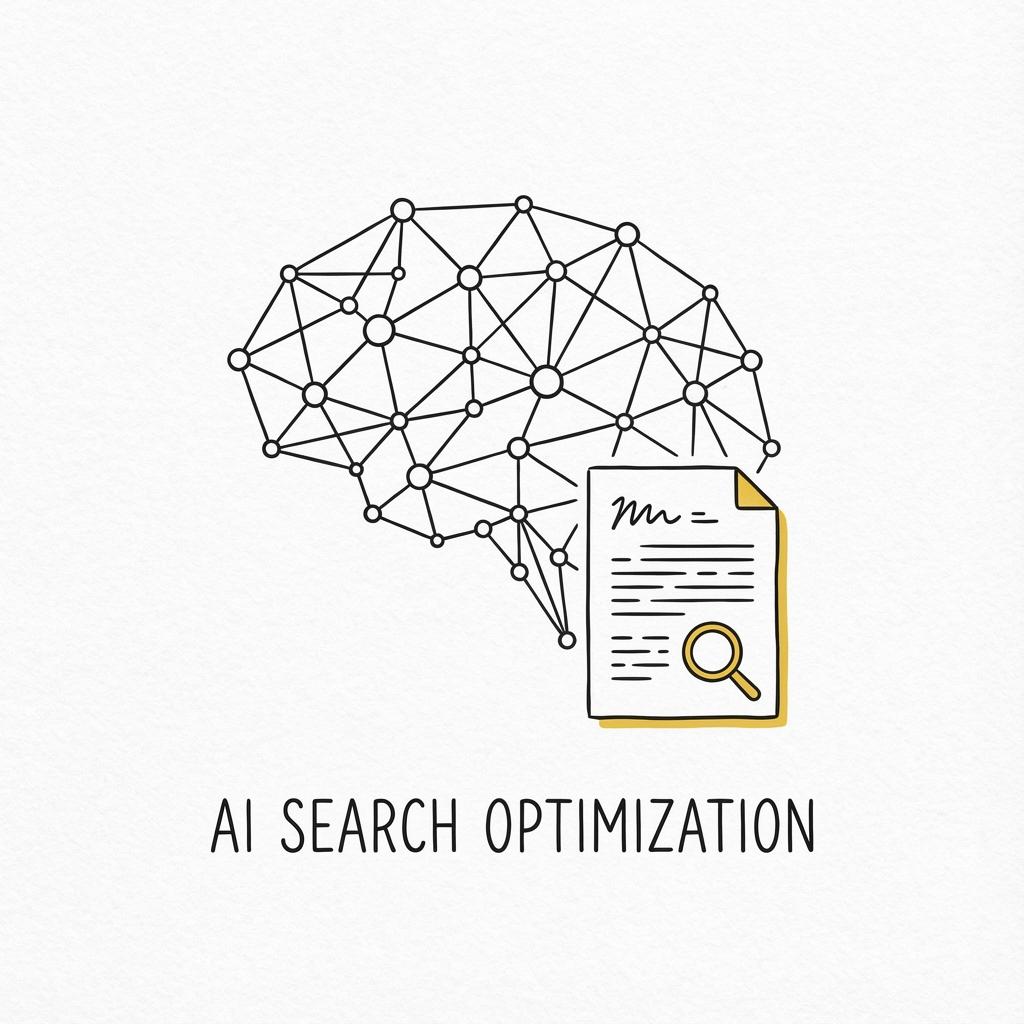
As we settle into 2026, the "experimental" phase of AI search is over. It is now the standard. Platforms like Perplexity and SearchGPT have carved out significant market share, and Google's AI Overviews are the default for millions of queries.
So, how do you optimize for this new reality?
1. Become an Entity, Not Just a Keyword
AI understands the world in terms of entities (people, places, things) and the relationships between them. Ensure your brand is clearly defined as an entity in the Knowledge Graph.
- Use Organization schema markup.
- Ensure consistent NAP (Name, Address, Phone) data across the web.
- Get listed in authoritative directories and industry publications.
2. Optimize for "Follow-Up" Questions
AI search is conversational. Users ask a question, get an answer, and then ask a follow-up. Anticipate this journey.
- If you write about "Best CRM Software," create sections for "Best CRM for Small Business," "CRM Pricing," and "CRM Integrations."
- Link these related topics internally to create a cluster of information.
3. Data Density
LLMs prefer content that is "dense" with information. Fluff is ignored. Pack your content with:
- Original statistics
- Expert quotes
- Specific examples
- Actionable steps
4. The Importance of "Seed" Sources
AI models rely on training data. Being mentioned in high-authority "seed" sources (like major news outlets, academic journals, or government sites) increases the likelihood that the AI trusts your brand. This reinforces the need for a robust PR and Link Building strategy.
5. Technical Performance
Speed still matters. AI agents need to crawl and parse your site efficiently. A slow, bloated site will be deprioritized. Ensure your Core Web Vitals are green and your site architecture is clean.
Final Thoughts
The era of keyword stuffing is long dead. The era of "content helpfulness" is here. By aligning your content with the way AI models process information—prioritizing facts, structure, and authority—you can ensure your brand remains visible in 2026 and beyond.