How to Rank in Google’s AI Overviews: 7 Pro Tips
Google's AI Overviews (formerly SGE) are dominating search results. Here are 7 professional tips to ensure your content gets featured in these prime spots.

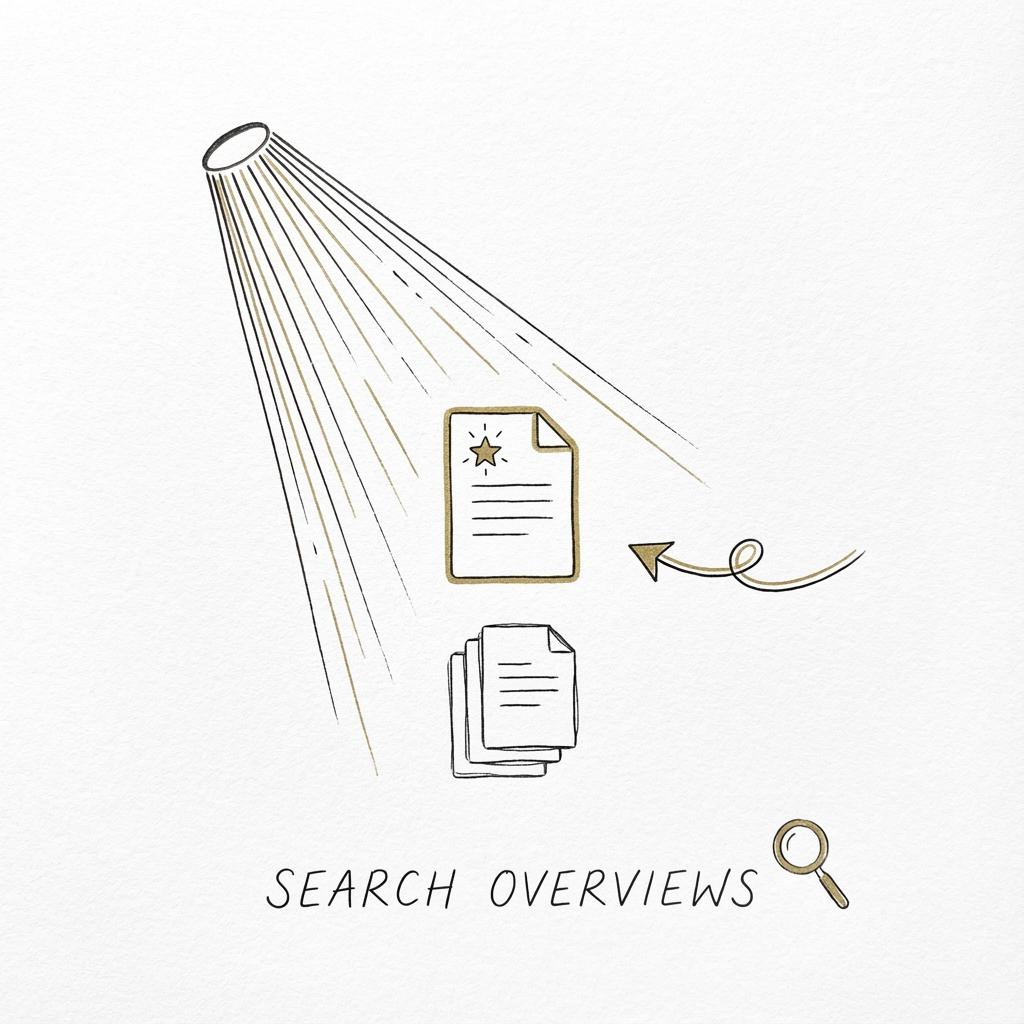
Google's AI Overviews have transformed the SERP from a list of links into a dashboard of answers. For SEOs, this means the goalpost has moved. Ranking #1 is good, but being the source for the AI Overview is better.
Here are 7 pro tips to help you rank in this new environment.
1. Target Long-Tail, Question-Based Queries
AI Overviews trigger most often for complex questions. Target keywords that imply a need for explanation, comparison, or synthesis.
2. Structure Content for "Snippetability"
Use clear headings, bullet points, and concise definitions. If you ask a question in an H2, answer it immediately in the following paragraph.
3. Boost Your E-E-A-T
Experience, Expertise, Authoritativeness, and Trustworthiness are more important than ever. Google's AI prioritizes content from credible sources. Ensure your author bios are robust and your "About" page is detailed.
4. Use Speakable Schema
With the rise of voice search and multimodal AI, using Speakable schema can help Google understand which parts of your content are best suited for audio playback or concise summaries.
5. Update Content Frequently
AI models crave fresh data. Regularly updating your statistics, examples, and references signals that your content is current and relevant.
6. Optimize for "Zero-Click" Searches
Accept that users might not click. Optimize your content to provide value upfront, but use "hooks" (like deep-dive data or unique tools) to encourage the click-through.
7. Monitor Your Brand in Chatbots
As discussed in our guide on Tracking ChatGPT Visibility, understanding how you appear in conversational AI gives you insights into how Google's Gemini might also perceive your brand.
Conclusion
The transition to AI-first search is not the death of SEO; it's an evolution. By focusing on high-quality, structured, and authoritative content, you can secure your place in the AI Overviews of tomorrow.

![7 Best Link Building Tools for 2026 [Free + Paid]](/_next/image?url=%2Fimages%2Fblog%2Flink-building-tools-2026-v2.png&w=3840&q=75)